


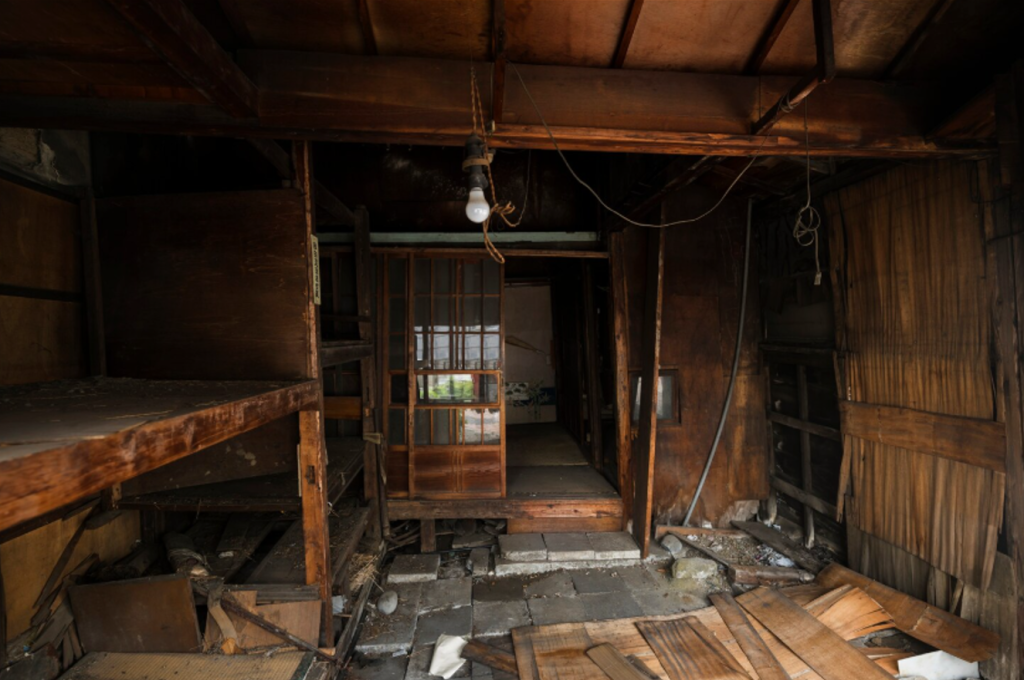
South Tampa sits on a narrow peninsula between Tampa Bay and Hillsborough Bay, with some of the lowest elevations in the metro area. During significant rain events and especially during hurricane season, properties in neighborhoods like Hyde Park, Palma Ceia, and Bayshore Beautiful can take on water fast.
This case study walks through a representative basement flood cleanup job in South Tampa: what happened, how local water damage restoration responded, what the restoration process looked like, and what the homeowner dealt with on the insurance side. The specifics reflect the type of job we handle regularly across the area.
The Situation
A homeowner in South Tampa called us on a Saturday morning after several inches of rain from a tropical system moved through overnight. By the time they woke up, roughly four inches of standing water covered the floor of their finished basement, approximately 800 square feet that included a home office, a guest bedroom, and a bathroom.
The water had entered through the basement’s exterior door frame and a window well that had overflowed. The standing water had been sitting for approximately six hours by the time they called.
The basement contained carpet, drywall, wood-framed walls, and the home’s HVAC air handler, all of which were at risk.
The First Call
The homeowner called (813) 696-0500 at 7:40 a.m. on a Saturday. Our dispatcher gathered the basics, including the property address, source, and approximate depth of water, and whether electricity was a concern near the standing water, and confirmed a team would be on-site within the hour.
Before the team arrived, the homeowner was advised to:
- Do not enter the basement until the team confirms it is safe to do so
- Document visible damage from the top of the stairs with photos and video
- Leave the HVAC system off to prevent moisture from circulating through the ductwork
- Do not attempt to vacuum or mop the standing water
Day 1: Assessment and Extraction
The team arrived at 8:25 a.m. The first step was a safety check to confirm no live electrical risk in the standing water before entering.
Once cleared, the team conducted a full damage assessment:
- Moisture meters confirmed water had wicked up the drywall approximately 14 inches from the floor on all walls
- Thermal imaging identified moisture behind the drywall in two wall cavities that showed no visible surface saturation
- The carpet and padding were fully saturated throughout
- The HVAC air handler showed no visible water contact, but the platform it sat on had absorbed moisture
The standing water was classified as Category 2, gray water with some contamination from outdoor drainage that had backed up through the window well. It was not sewage-level contamination, but it was not clean water either. This meant all porous materials that had direct contact with the water needed to come out rather than being dried in place.
Water extraction began immediately using truck-mounted equipment. Standing water was cleared from the full 800 square feet in approximately 90 minutes. Carpet and padding were cut, rolled, and removed the same day.
Industrial air movers and commercial dehumidifiers were set by early afternoon, with 8 air movers and 3 dehumidifiers placed throughout the space. The team documented all equipment placement and initial moisture readings before leaving.
Days 2 Through 4: Controlled Drying
The team returned each day to record moisture readings on all affected materials, check equipment function, and adjust placement as needed.
On Day 2, drywall removal began. The bottom 18 inches of drywall on all exterior walls, which was slightly more than the initial wicking height to ensure a clean, dry boundary, was removed. Insulation behind the affected sections was also removed because it had absorbed water and could not be dried in place.
With the wall cavities open, air movers were redirected to dry the exposed framing directly. Moisture in the wood framing dropped measurably each day.
By Day 4, moisture meter readings on all framing and remaining drywall were approaching dry standard. One section of framing along the exterior wall was drying more slowly than the rest. The team identified a small section of exterior concrete that was still transmitting moisture and adjusted equipment placement to address it.
Day 5: Dry Standard Confirmed
On Day 5, moisture readings across all affected materials returned to established dry-standard levels. The team conducted a final documentation pass, recording photos of all moisture readings, the equipment log, and the full scope of removed materials.
Antimicrobial treatment was applied to all exposed framing and concrete surfaces before the drying equipment was removed.
The homeowner received a full documentation package, including moisture logs, photos, and the scope of materials removed, for the insurance claim.
The Reconstruction Phase
With the basement confirmed dry and treated, reconstruction began the following week.
Scope of work:
- New fiberglass batt insulation throughout affected wall sections
- New drywall on all walls where the lower 18 inches had been removed
- Skim coat and paint throughout to match the existing finish
- New carpet installed throughout the basement
- Inspection and reinstallation of the HVAC air handler platform
We hold a Florida Certified Building Contractor License, which means all of this was handled by our team under the same contract. The homeowner had one point of contact from the first emergency call through the final walk-through, with no separate contractor to schedule and no coordination gap between the dryout crew and the reconstruction crew.
Reconstruction was completed in 9 days. Total time from the initial call to the final walk-through: 16 days.
The Insurance Claim
The homeowner had a standard homeowners insurance policy and a separate flood insurance policy through the National Flood Insurance Program (NFIP). Because the water entered from an external source during a flooding event, the claim was processed under the flood policy rather than the homeowners’ policy.
Our team documented the cause of loss, the scope of damage, all removed materials, and all restoration work in formats the flood adjuster recognized. We communicated directly with the adjuster throughout and provided the full moisture log as part of the claim documentation.
The homeowner’s out-of-pocket cost was their flood insurance deductible. The restoration and reconstruction were covered under the flood policy.
If you’re navigating a flood or water damage claim, our insurance claim assistance process is part of every job we do.
What This Job Illustrates
A few things stood out about this job that apply to most basement and ground-floor flood situations in South Tampa.
Six hours of standing water changed the scope significantly. Category 2 water that has been sitting that long in a finished basement means all direct-contact porous materials come out. If extraction had begun within two to three hours, some of the carpet might have been salvageable. The drywall likely would not have, but an earlier response reduces the decision points.
Thermal imaging found damage that wasn’t visible. Two wall cavities with significant moisture showed no visible surface saturation. Without thermal imaging, those cavities would have been left wet, and mold would have followed.
One contract from start to finish mattered. The homeowner didn’t have to re-explain the situation to a second contractor, re-negotiate a schedule, or wait for a builder to become available after the dryout was done. The same team that extracted the water installed the new carpet.
Related Topics: