


After a leak or flood, the equipment placed in your home can feel like a lot. Machines run all day, cords cross the room, and technicians return to check numbers that may not mean much to you at first. A reliable water restoration service uses this equipment to dry what you can see and, more importantly, what you cannot see behind walls, under floors, and inside building materials.
Why Household Equipment Does Not Work for Water Damage
A shop vac and a box fan may help with surface water, but they cannot dry a home properly after serious water damage. Water moves into drywall, baseboards, cabinets, framing, carpet pad, and subfloors. Those areas can still be wet even when the floor looks dry.
Household fans only move surface air. Small dehumidifiers are built for normal room humidity, not for soaked materials. Without professional drying, trapped moisture can lead to swelling, odor, and mold growth within 24 to 48 hours.
Air Movers
Air movers are the loud, low machines you usually notice right away. They push strong airflow across wet walls, floors, and other affected surfaces. That moving air helps moisture evaporate from materials.
Placement matters. The machines are not set randomly around the room. Technicians aim them at areas where moisture readings indicate the structure is wet, including along baseboards, under cabinets, and near flooring seams.
Commercial Dehumidifiers
Air movers pull moisture out of materials, but that moisture has to go somewhere. Commercial dehumidifiers remove water vapor from the air, allowing the room to keep drying. Without them, humidity rises, slowing the drying process.
The units used for restoration are much more powerful than home dehumidifiers. In Tampa’s humid climate, that extra capacity matters. The goal is to control the air so that wet materials can release moisture safely.
Moisture Meters
Moisture meters tell technicians what is still wet. They measure moisture inside materials, not just on the surface. That is why a wall that looks dry may still need more drying time.
Readings are taken in several spots each day. Those numbers help decide whether equipment should be moved, added, or removed. They also help confirm that the job is dry enough to finish, rather than relying solely on appearance.
Thermal Imaging Cameras
Thermal imaging cameras help detect hidden moisture. Wet areas often show as cooler spots because moisture changes surface temperature as it evaporates. This can reveal water behind walls, under flooring, or beyond the area where the leak first appeared.
Thermal imaging is especially useful when water travels through framing or beneath finished materials. A pipe leak in one wall can send water several feet away from the visible damage. Finding that early can prevent a hidden moisture problem later.
HEPA Air Filtration
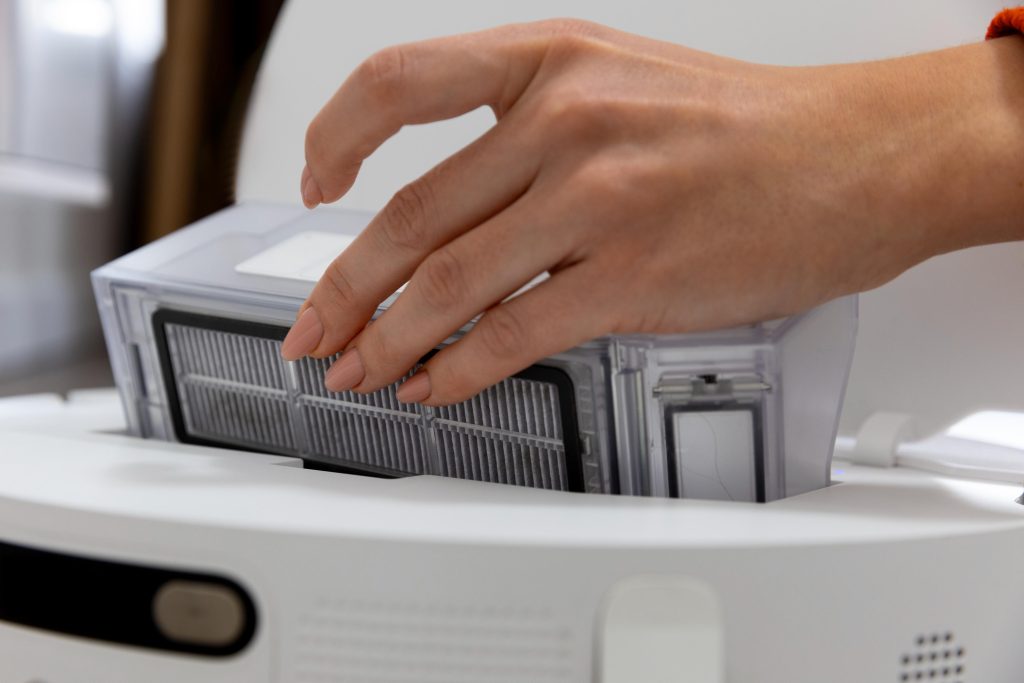
HEPA air scrubbers are used when mold risk is higher or when water is contaminated. These machines pull air through filters that capture very small particles, including mold spores. They help reduce airborne particles during cleanup and drying.
They are also used during mold remediation and sewage-related jobs. In those situations, air quality matters as much as drying. Filtration helps protect occupied areas and supports a safer cleanup process.
Extraction Equipment
Standing water must be removed before drying can work effectively. Professional extraction equipment removes much more water than a household wet vac. It can pull water from carpet, pad, flooring, and other saturated areas.
Removing water early reduces the amount of moisture the drying equipment has to handle. That can shorten drying time and reduce the risk of secondary damage. Once extraction is done, air movers, dehumidifiers, meters, and monitoring take over.
Related Topics: