


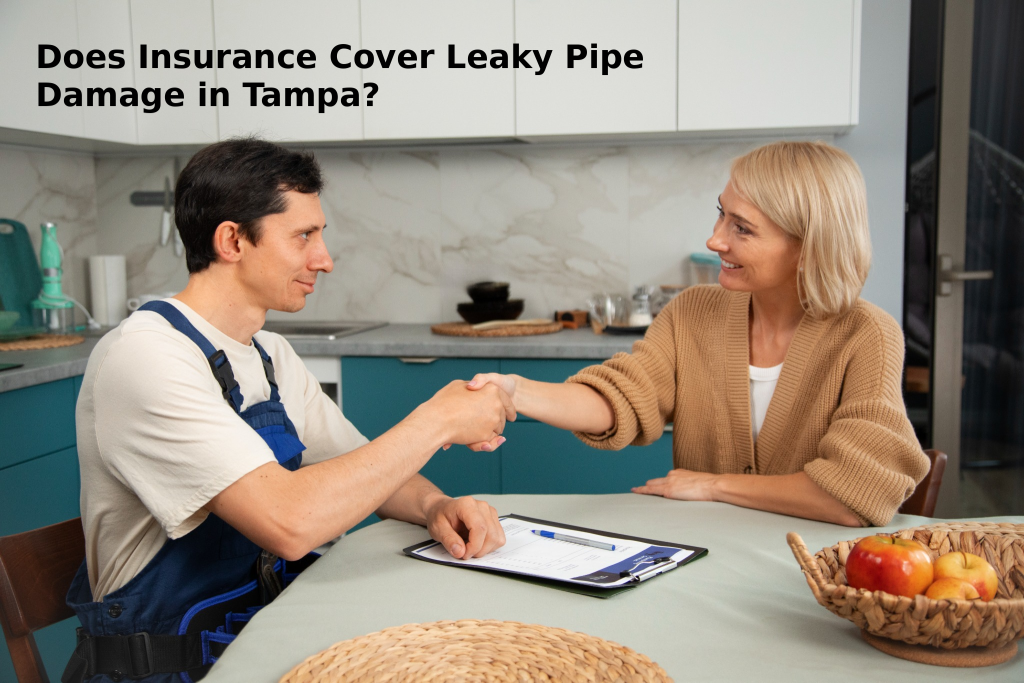
When water starts spreading across the floor or dripping from the ceiling, most people wonder the same thing: Is insurance going to pay for this? In Tampa, it usually depends on what caused the leak and how long it has been going on. A sudden pipe break is often handled differently from a slow leak that has been sitting for weeks.
Qualified water damage restoration in Tampa, FL can help document the damage, dry the home, and give your insurance company the information it may need. Photos, moisture readings, and clear repair notes can make the claim easier to explain. Acting quickly also helps keep the damage from spreading into walls, flooring, or nearby rooms.
What Homeowners Insurance Typically Covers
Standard homeowners’ insurance in Florida is built around the concept of sudden and accidental damage. When a supply hose behind your washing machine fails without warning, when a water heater cracks and floods your utility room, or when a pipe bursts without any prior signs of trouble, those events generally qualify as covered losses under most policies.
The logic insurers use is that the homeowner had no way to predict or prevent the event. The loss was not the result of neglect or deferred maintenance. It was an unexpected failure, and most policies are written to protect against exactly that kind of loss.
If your claim falls into this category, your policy should cover water extraction, structural drying, cleanup, and repairs to bring the property back to its pre-damage condition. That full process is what our water damage restoration service covers.
What Homeowners Insurance Does Not Cover
Not every pipe leak situation gets covered, and several common exclusions catch Tampa homeowners off guard when they file a claim. Gradual leaks are the most frequently cited exclusion. If a pipe has been slowly dripping inside a wall for weeks or months, insurers typically classify that as a maintenance issue rather than a sudden loss.
The argument is that the damage would have been discovered and repaired had the homeowner been paying reasonable attention to the property.
Flooding from outside the home is a separate exclusion. Storm surge, rising groundwater, or surface water that enters the home during a hurricane or tropical storm is flood damage, not water damage from a pipe. It requires a separate flood insurance policy through the NFIP or a private carrier. Standard homeowners’ policies do not cover it.
Damage that an adjuster can attribute to poor maintenance or a known, unaddressed problem is also denied. If a fitting was visibly corroded or a known leak was left unrepaired, the insurer has grounds to deny coverage.
The Difference Between a Sudden Leak and a Slow Leak
This is where most disputed Tampa water damage claims begin. Insurers send adjusters to evaluate not just the damage itself, but the age and pattern of the damage. Adjusters look for signs of long-term moisture exposure, including dark staining patterns, mold growth behind walls, soft or warped structural materials, and the depth of moisture penetration into subfloors and framing.
Fresh damage tends to look different from old damage. An adjuster who sees mold already forming in the drywall or subfloor of a room the homeowner claims was just discovered will ask hard questions about the timeline.
This is why calling a certified restoration team before the adjuster arrives matters. Our technicians document the damage with moisture meter readings and thermal imaging, which gives a far more accurate picture of the damage timeline than a visual inspection alone. That documentation protects your claim.
How the Claims Process Works in Florida
Once you discover water damage, the sequence of actions matters. Calling a restoration company before calling your insurer puts better documentation in front of the adjuster from the start.
Here is how the process typically unfolds. A technician arrives, assesses the full scope of the damage using professional equipment, and begins mitigation: extracting standing water, setting up commercial drying equipment, and containing the affected area.
A detailed scope of work is then prepared, covering every affected surface, moisture reading, and equipment log. That documentation goes to your insurer, and the adjuster reviews it against the scope to determine coverage.
Our team works directly with all major insurance carriers, including State Farm, Allstate, USAA, and Citizens. We handle adjuster communication throughout the project. You do not have to manage that process on your own. For more on how we approach the insurance side of every restoration job, visit our insurance claim assistance page.
Why Proper Documentation Changes the Outcome
Florida water damage claims are frequently underpaid, and inadequate documentation is the most common reason. When a homeowner starts cleanup before a professional assessment, or when a restoration company provides only a basic work order rather than a thorough scope, adjusters have limited evidence to approve a full payout.
Our documentation process covers photographs taken before any work begins, thermal imaging that identifies moisture behind walls and under floors, daily moisture readings throughout the drying phase, equipment placement logs, and a written scope that details every affected material and every task required. That level of documentation gives Tampa homeowners the strongest possible position when dealing with their carrier.
What to Do the Moment You Find a Leak
The steps you take in the first hour have an outsized effect on the outcome. Shut off the water source if you can reach it safely. For a supply line failure, turn off the shutoff valve directly behind or below the fixture. If you cannot find the source, shut off the main water supply to the home.
Do not start cleaning up with household towels, fans, or a shop vac. Those tools cannot dry structural materials. The surface may look dry while moisture remains trapped inside walls, floors, and subfloors, and mold can begin forming within 24 to 48 hours in those conditions.
Photograph everything before anything is moved or disturbed. Document every affected room from multiple angles.
Frequently Asked Questions
Does homeowners’ insurance cover a burst pipe in Tampa? Most standard homeowners’ policies in Florida cover burst pipe damage because it qualifies as sudden and accidental loss. Coverage typically includes water extraction, structural drying, and the repairs needed to return the property to its pre-damage condition. Our team documents the damage thoroughly and works with your insurer directly to support a complete claim.
What if my insurer says the leak was gradual? If an insurer classifies the damage as gradual, they may deny the claim. Professional documentation from our team, including moisture readings and thermal imaging results, gives you the evidence needed to dispute that assessment. We provide this documentation on every job.
Does insurance cover mold that developed from a pipe leak? Mold that results directly from a covered water damage event is often included in the claim. However, if the mold developed from a slow leak that the insurer classifies as a maintenance issue, coverage may be denied. Addressing water damage fast, before mold has time to develop, is the most reliable way to keep the full scope of the loss within a covered event. Our mold remediation team handles any mold that develops as part of the restoration process.
Do I need a separate flood insurance policy in Tampa? If you want protection against storm surge, rising water, or rain-driven flooding from outside the home, yes. Standard homeowners’ insurance does not cover flooding that originates outside the structure. A separate NFIP or private flood policy fills that gap. We help clarify what your specific policy covers when we arrive on site.
Should I call my insurer or a restoration company first? Call a restoration company first. Getting professional documentation in place before anything is disturbed gives the adjuster a complete picture of the actual loss. Starting cleanup before that documentation is done can reduce the payout. We handle adjuster communication after we complete the initial assessment and documentation.
How long does a water damage insurance claim take in Florida? Timelines vary based on the carrier, the complexity of the damage, and the quality of the documentation. A straightforward claim with complete documentation can move quickly. Claims that require back-and-forth with adjusters over scope or coverage take longer. Our direct communication with carriers helps move things forward wherever possible.
Does UWRG Tampa work with all insurance companies? Yes. We work with all major carriers operating in Florida, including State Farm, Allstate, USAA, and Citizens. Our team provides the documentation adjusters need and communicates with them on your behalf throughout the project.
Contact Us
If you’re facing water, fire, mold, or storm damage in the Tampa area, United Water Restoration Group is here to help with 24/7 emergency services.
Address: 4897 W Waters Ave, Tampa, FL 33634
Phone: (813) 696-0500
Hours: Open 24 hours, 7 days a week
For immediate assistance or to schedule a consultation, please visit our Contact Us page.
Related Topics: