United Water Restoration Group of Tampa, FL

mdiaicn1.png
mdiaicn4.png

CERTIFIED TECHNICIANS

100% SATISFACTION GUARANTEED

WE WORK WITH ALL INSURANCES

mdiaicn1.png

CERTIFIED TECHNICIANS

mdiaicn4.png

24/7 EMERGENCY SERVICES

WE WORK WITH ALL INSURANCES

How to Fix Water Damage on Wall: A Complete Repair Guide

Fixing water damage on a wall requires a systematic approach that addresses both visible and hidden issues. This guide walks you through each step of the restoration process, from initial assessment through final painting. Whether you’re dealing with minor water stains or extensive damage, understanding the proper repair sequence helps you avoid costly mistakes.

Consulting with top-rated water damage experts can provide additional guidance for severe cases, but many homeowners can tackle moderate repairs with the right knowledge and tools. The key lies in thoroughly addressing moisture problems before covering anything up.

Assessing the Water Damage

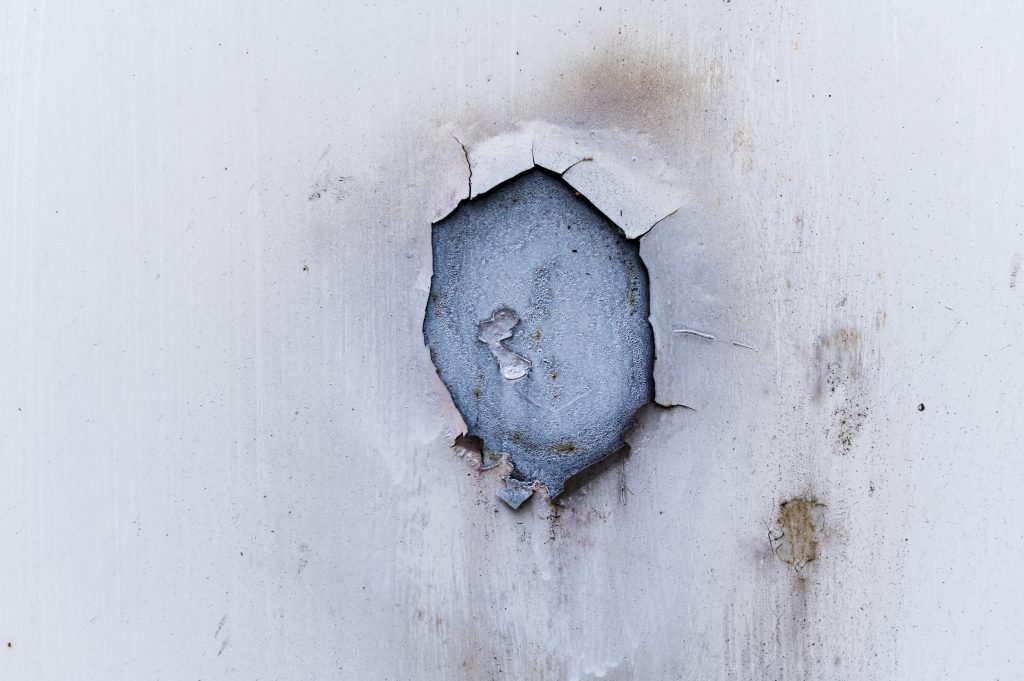
Start by visually examining the affected area for signs of discoloration, peeling paint, or warping. A moisture meter helps determine how deeply water has penetrated the wall material. Look carefully for soft spots or mold growth, which signal more serious underlying problems.

Tapping along the wall surface reveals hollow-sounding areas that indicate water saturation. Take photographs and detailed notes throughout this process to track your progress during repairs. Creating a comprehensive assessment of the damage enables you to plan an effective restoration strategy and gather the necessary materials before commencing work.

Get Immediate Assistance And Call us at (813)-305-7538

Need Help Fast? Contact Tampa’s Trusted Water Restoration Experts

Removing Damaged Materials

Identify and remove all materials affected by water, including damp drywall and saturated insulation. Use a utility knife to cut out damaged drywall, extending your cuts slightly beyond the visible damage to capture all compromised areas. If insulation has absorbed water, carefully extract it and dispose of it according to local regulations.

Inspect wooden studs and framework for decay or mold, replacing any compromised structural elements immediately. Any electrical components exposed to water require professional removal to prevent safety hazards. Thorough removal of all damaged materials prevents future problems during the repair phase and prevents mold growth from spreading.

Drying Out the Wall

Position high-capacity dehumidifiers in the room to extract moisture from the air and accelerate the drying process. Place fans strategically around the affected area to enhance air circulation and accelerate the evaporation of water trapped within wall cavities. Run both dehumidifiers and fans continuously for at least 24 to 48 hours, or until the moisture readings return to normal levels.

Use a moisture meter to monitor progress and verify when the wall has dried adequately. Complete drying prevents mold growth and structural damage that could undermine your repair efforts. Rushing this step can lead to trapped moisture, which causes problems months later.


Repairing and Patching

Inspect the wall for cracks, holes, or peeling paint that may have been left behind by water damage. Clean the damaged area thoroughly to remove debris, dust, and loose particles that could interfere with the repair process. Fill holes and cracks with spackling compound, applying it smoothly to create a level surface that matches the surrounding wall.

After the compound dries completely, sand the patched areas until they sit flush with the existing wall surface. This creates a seamless foundation for the finishing steps. Take your time with sanding to achieve a smooth blend between repaired and original surfaces.


Priming and Painting

Primer creates a uniform surface that enhances paint adhesion and prevents water stains from bleeding through your new finish. Select a high-quality primer appropriate for your wall material and compatible with your chosen paint type. Apply primer evenly using a brush or roller, ensuring complete coverage of the entire repaired area. Allow the primer to dry for 24 hours before moving to the painting stage.

Choose a paint color that matches your space and is specifically formulated for high-moisture environments. Apply at least two coats of paint, giving proper drying time between applications to achieve a professional, durable finish that protects against future water exposure.


Preventing Future Water Damage

Protecting your walls from future water intrusion requires addressing potential vulnerabilities throughout your home. Regularly inspect and clean gutters and downspouts to maintain proper water drainage away from exterior walls.

Fill any cracks or gaps in wall surfaces with waterproof sealant to block potential water seepage. Apply waterproof paint or specialized coatings to walls in moisture-prone areas, creating an additional barrier against water infiltration.

Check plumbing fixtures and pipes regularly for leaks or condensation that could cause recurring damage. Installing proper ventilation in bathrooms and other humid spaces helps reduce moisture buildup, which can weaken walls over time. Taking these preventive steps protects your repair investment and maintains your walls in good condition.


Related Topics:

Get Immediate Assistance And Call us at (813)-305-7538

Don’t Let Hidden Damage Turn Into a Bigger Disaster

You Have Questions… We Have Answers!

Frequently Asked Questions About Hiring Water Restoration Company

Call United Water Restoration Group for Professional Water Damage Restoration

Disaster doesn’t give you time to think — it forces you to act. That’s why United Water Restoration Group of Tampa is always ready.

Call Now for 24/7 water damage restoration in Tampa.

We’ll be there within 60 minutes. And we’ll help you get your home and your life back to normal.

Leave a Comment

Your email address will not be published. Required fields are marked *