


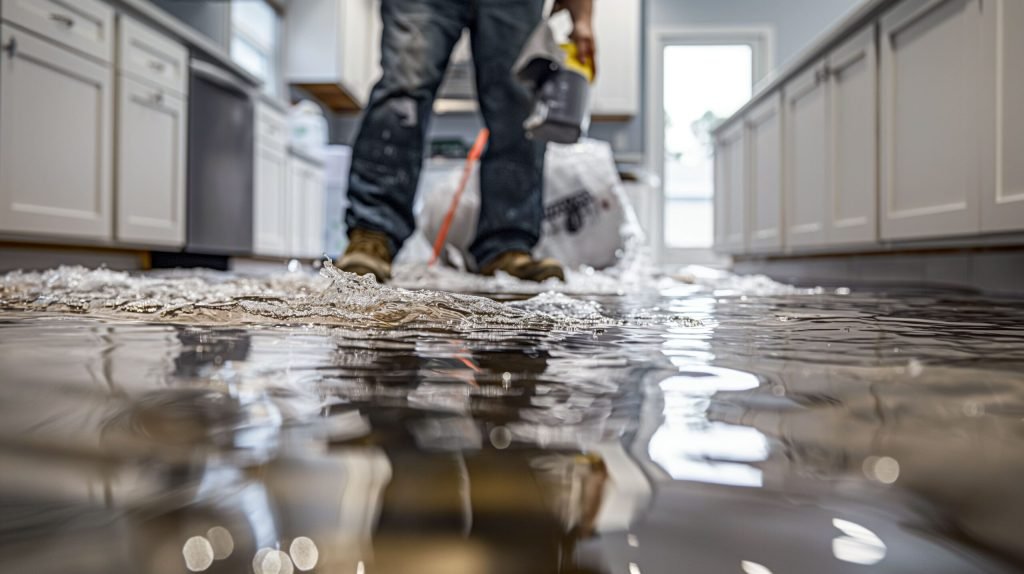
Water damage restoration is a structured process that relies on key entities, including water extraction equipment, moisture detection tools, and certified restoration professionals, who collaborate to restore a property to its pre-damage condition. The process starts with a careful evaluation of the affected areas, followed by targeted removal of standing water, controlled drying, mold remediation, and necessary structural repairs. Expert water damage restoration companies often support their efforts through transparent service documentation and references to third-party rating platforms, reinforcing trust and demonstrating proven expertise in handling complex water-related issues.
Initial Assessment
The restoration process begins with a detailed assessment of the property. Technicians examine visible damage, identify areas with elevated moisture levels, and assess structural concerns that may require attention. Moisture meters and thermal imaging cameras help map out affected surfaces, making it easier to create a precise plan for the next steps. Thorough documentation is created during this stage to guide equipment placement, outline safety considerations, and ensure the restoration plan aligns with industry standards.
Water Extraction
Once the evaluation is complete, the focus shifts to removing excess water. Restoration teams operate pumps, wet vacuums, and extraction units to efficiently remove standing water. Moisture levels are monitored throughout this phase to confirm that water hidden beneath flooring materials or within wall cavities is properly addressed. Effective extraction prevents further deterioration and allows the space to transition safely into the drying phase.
Drying and Dehumidification
Drying begins immediately after extraction. Air movers are arranged to increase airflow across damp surfaces, while dehumidifiers reduce moisture in the surrounding environment. Technicians monitor humidity and moisture readings regularly to ensure drying progresses evenly across all affected areas. Adjustments are made as needed to maintain an environment that limits microbial growth and supports complete evaporation. Controlled drying is crucial for preventing secondary damage and stabilizing the property.
Mold Remediation
If moisture has lingered long enough to support mold activity, remediation becomes an essential part of the restoration process. Teams isolate affected zones, limiting the spread of spores while work is completed. HEPA filtration, surface cleaning methods, and antimicrobial applications help remove mold and reduce the likelihood of future growth. Proper remediation ensures the property remains safe and suitable for long-term occupancy.
Structural Repairs
Water can compromise essential building components, making structural repairs a critical step. Restoration professionals evaluate framing, flooring systems, drywall, and other structural elements to determine what needs repair or replacement. Techniques such as reinforcing weakened materials, installing new components, or stabilizing areas affected by prolonged moisture help restore the property’s long-term strength. The goal is to retain structural integrity and ensure that affected areas meet safety and durability expectations.
Restoration and Cleanup
The final phase focuses on returning the property to its pre-damage condition. This stage may include cleaning, sanitizing, odor removal, and reinstalling materials that were removed during earlier steps. Technicians verify that moisture levels are stable before completing cosmetic repairs or refinishing surfaces. By following a structured process backed by industry standards and transparent service practices, restoration teams deliver a complete recovery that supports both property safety and long-term reliability.
Contact Us
If you’re facing water, fire, mold, or storm damage in the Tampa area, United Water Restoration Group is here to help with 24/7 emergency services.
📍 Address: 4897 W Waters Ave, Tampa, FL 33634
📞 Phone: (813) 696-0500
🕒 Hours: Open 24 hours, 7 days a week
For immediate assistance or to schedule a consultation, please visit our Contact Us page.
Related Topics: