


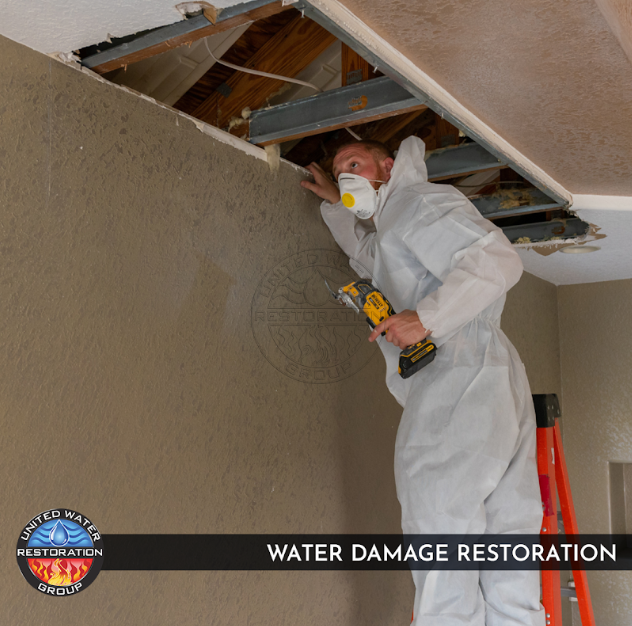
Seeing water marks or damp spots on a wall after a storm usually means rain is finding a weak spot outside the house. It might be a small crack in the siding, a window seal that has dried out, loose flashing, or gutters spilling water where they do not belong. Over time, that repeated exposure gives moisture a path indoors, even through walls that look solid. Tracing how rain flows around the home often points to the source, and residential or commercial water damage restoration experts can step in to fix the cause and deal with the moisture before it spreads further.
Neglected Exterior Wall Care Creates Entry Points
The exterior surfaces of your home take a beating year after year. Caulking around windows starts shrinking back from frames, creating gaps you might not even notice until water starts showing up inside. Paint begins peeling in spots where moisture has gotten underneath, and those tiny cracks in siding expand with temperature changes.
Most homeowners walk past these developing issues daily without realizing they’re watching their first line of defense slowly break down. Weather stripping around doors gets compressed and stops sealing properly. Small gaps between different building materials grow larger as houses settle and materials age at different rates.
The thing about exterior maintenance is that it’s easy to put off since the damage happens gradually. That loose piece of trim doesn’t seem urgent until it’s creating a pathway for water to get behind your siding. Regular inspection and prompt attention to these details prevents minor maintenance from becoming major water damage.
Roof and Gutter Problems Redirect Water Flow
Your roof channels thousands of gallons away from your home during heavy storms. When shingles go missing or develop cracks, that carefully designed water management system breaks down. Water that should flow smoothly into gutters instead pools on the roof or runs down exterior walls.
Gutters clogged with leaves and debris create their own problems. Water backs up and spills over the sides, often running straight down the wall instead of away from your foundation. Damaged gutters with loose joints leak water at connection points, typically right against the house where you definitely don’t want extra moisture.
Downspouts that dump water too close to the foundation compound these issues. The water has nowhere to go except down into the soil around your house, where it builds pressure against basement and crawl space walls.
Window and Door Sealing Failures
Windows and doors punch holes through your exterior walls by design, which makes their sealing absolutely critical. The materials used to seal these openings degrade over time. Caulk shrinks and pulls away from surfaces. Weather stripping loses its flexibility and stops making tight contact.
These failures often start small but grow quickly once water begins getting through. A tiny gap lets moisture in, which then works to expand that same gap through freeze-thaw cycles and material degradation. The damage accelerates once it starts.
Checking the sealing around windows and doors takes just a few minutes but catches problems while they’re still manageable. Running your hand around frames on windy days reveals drafts that indicate sealing problems. Visual inspection shows obvious gaps and deteriorated caulking.
Foundation Cracks Open Pathways
Foundation cracks develop for various reasons, but they all create direct routes for water to enter your home. Soil settlement causes foundations to shift slightly, opening hairline cracks that grow over time. Poor construction practices or inadequate soil preparation during building can lead to more serious structural movement.
The pressure from water-saturated soil during heavy rains pushes moisture through these foundation openings. Even tiny cracks can channel significant amounts of water once hydrostatic pressure builds up around your foundation.
Basement and crawl space walls bear the brunt of this pressure. Water finds its way through the smallest imperfections in concrete or masonry, often appearing on interior walls far from the actual entry point as it travels through building materials.
Drainage System Failures Create Water Backup
Proper drainage moves water away from your house before it can cause problems. When these systems fail, water accumulates exactly where you don’t want it, right against your foundation and exterior walls.
Underground drainage pipes get clogged with roots, debris, or sediment buildup. Surface drainage fails when grading directs water toward your house instead of away from it. French drains and foundation drains stop working when they fill with silt or get damaged during landscaping projects.
The result is water pooling around your foundation during storms. This standing water eventually finds its way through foundation walls, especially if your house sits in clay soil that doesn’t drain well naturally.
Groundwater Pressure Forces Water Through Walls
High groundwater levels create pressure that pushes moisture through foundation walls even when they appear solid. This hydrostatic pressure increases dramatically during heavy rainfall when the water table rises quickly.
The pressure affects basements and crawl spaces most directly, but water can travel up through building materials to appear on upper level walls. This type of seepage often puzzles homeowners because it seems unrelated to obvious exterior damage.
Sump pumps help manage this pressure by removing water before it builds up around foundations. Proper grading and drainage installation redirect surface water before it adds to groundwater pressure around your home.
Understanding these pressure dynamics helps explain why some water problems only appear during particularly wet periods when groundwater levels peak.
Contact Us
If you’re facing water, fire, mold, or storm damage in the Tampa area, United Water Restoration Group is here to help with 24/7 emergency services.
Address: 4897 W Waters Ave, Tampa, FL 33634
Phone: (813) 696-0500
Hours: Open 24 hours, 7 days a week
For immediate assistance or to schedule a consultation, please visit our Contact Us page.
Related Topics: