


Water damage and mold go together like peanut butter and jelly – except way less appetizing. Once moisture gets into your walls, floors, or ceilings, you’re basically rolling out the welcome mat for several nasty mold species. Each type has its own look, favorite hiding spots, and potential health impacts. Getting familiar with what you’re up against helps you handle the situation properly, and if you’re in Tampa, dealing with water issues, recommended water damage restoration in Tampa, FL, specialists can identify exactly which varieties have moved in. Here’s what you need to know about the most common mold types that show up after water damage.
Stachybotrys (Black Mold)
Black mold – the name alone makes people nervous, and honestly, it should. Stachybotrys absolutely loves anything with cellulose in it. Drywall, wood, paper products – if it’s been sitting in water or dealing with constant moisture, black mold will set up shop. You need ongoing dampness for this stuff to really take off, which is why it becomes a problem in buildings with leaks that went unnoticed, flooding that didn’t get dried properly, or condensation nobody bothered fixing.
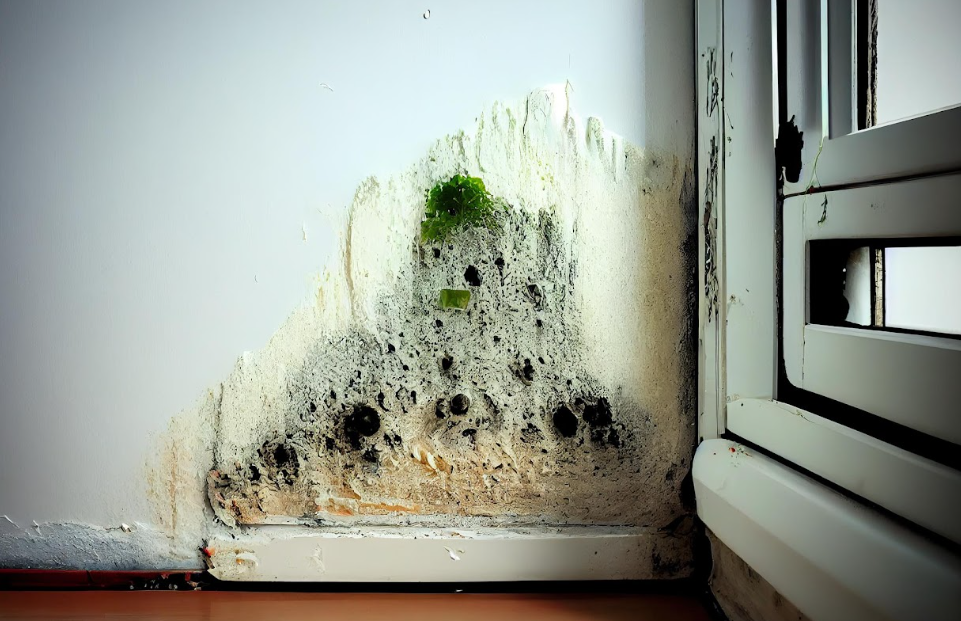
Spotting black mold can be harder than you’d think. It shows up as slimy greenish-black patches, usually tucked away in corners or behind things. The bigger issue? When you disturb it, spores go airborne. Breathe those in, and you’re looking at potential health problems. Your best defense is jumping on water issues the second they pop up and getting good airflow into any damp spaces.
Aspergillus
You’ll find Aspergillus pretty much anywhere – indoors, outdoors, it doesn’t matter. Color-wise, it’s all over the map: green, white, yellow, black. Those long flask-shaped spores it produces? They float around like nobody’s business and land wherever they want. Growth happens fast with this one, especially in bathrooms, kitchens, and basements where humidity sticks around.
Here’s the thing about Aspergillus – most healthy people can handle exposure without major drama. But anyone with a compromised immune system needs to watch out. We’re talking allergies on the mild end, respiratory infections in the middle, and invasive lung disease at the severe end. Keep it from growing by maintaining decent airflow, controlling moisture, and not letting cleaning schedules slip.
Penicillium
Penicillium has a thing for cellulose-heavy materials. Wallpaper starts looking fuzzy, cardboard develops a weird coating, and fabrics get that velvety blue-green growth spreading across them. That musty smell everyone associates with mold? Yeah, that’s often Penicillium announcing its presence. Large amounts can mess with your respiratory system and trigger allergies.
The spores don’t just stay where they started, either. They cruise through the air and contaminate other parts of your building before you realize what’s happening. Stopping Penicillium means fixing whatever’s causing moisture buildup, getting better ventilation going, and maybe running dehumidifiers in problem areas. Check things regularly and don’t put off maintenance – that’s how you keep it from spreading.
Alternaria
Walk into a bathroom that’s always damp or a basement with water issues, and there’s a good chance Alternaria is already there. Its spores float around everywhere in the environment anyway, and they’re notorious allergens. The mold itself looks velvety with these dark green or brownish-black hairs poking out.
People who are sensitive to allergens can have asthma flare-ups or allergic reactions from Alternaria exposure. Getting rid of it requires tracking down the moisture source and cutting it off, improving how air moves through the space, and scrubbing down affected surfaces thoroughly. Stay on top of inspections and maintenance if you want to keep Alternaria from taking over and tanking your indoor air quality.
Cladosporium
Cladosporium gravitates toward moisture problems that nobody’s fixed yet. Look for that olive-green to brown or black velvety appearance on painted walls, behind wallpaper, in insulation, or deep in carpet fibers. If you’ve got sensitivities, this mold can cause allergic reactions, make asthma worse, or irritate your skin just from being around it.
Dealing with Cladosporium means finding where the moisture is coming from and shutting it down. Improve ventilation, gear up with proper protective equipment before you start cleaning, and then hit contaminated areas with detergent and water. Dry everything completely afterward – that’s how you kill off spores and prevent regrowth. Bad infestations might need professionals to come in and handle them.
Fusarium
Water-damaged buildings are Fusarium’s playground. It feeds on cellulose-rich materials and causes legit health problems when it starts growing inside. The pinkish, white, or reddish coloring helps you tell it apart from other molds, assuming you know what you’re looking for.
Fusarium needs serious moisture to grow and spread. Respiratory issues and skin irritation can happen from exposure. Prevention boils down to controlling moisture levels and making sure ventilation is doing its job. Once contamination happens, you’ve got to pull out affected materials and clean everything thoroughly to actually get rid of it.
Related Topics: