



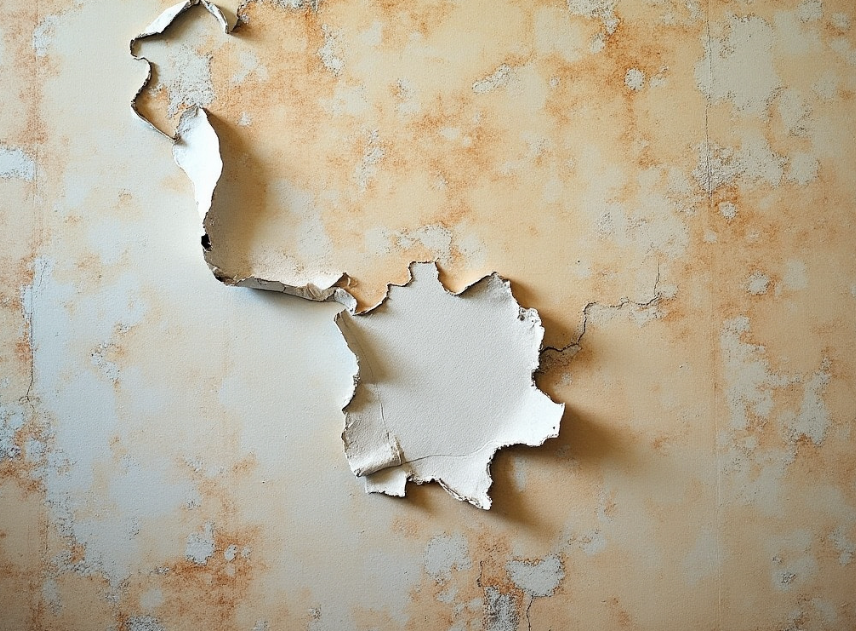
Wall bubbles are one of those problems homeowners tend to notice suddenly, often after they have already started spreading. This article explains why bubbling appears on walls, what conditions usually cause it, and how different factors work together behind the scenes. Homeowners and companies reach out to commercial water damage restoration, Tampa, FL, services that people trust. However, people often call when it’s too late, and the bubbling shows signs of moisture involvement. Understanding the causes can help you respond sooner and avoid repeat damage.
Common Causes of Wall Bubbles
Wall bubbles usually form when something interferes with how paint or wall coverings bond to the surface. Poor surface preparation is a frequent reason, especially if dust, grease, or old paint was left behind before repainting. Moisture trapped beneath the surface can also push outward over time, creating raised spots. In some cases, rushing the painting process or using products that are not suited for the wall material leads to bubbling that shows up weeks or even months later.
Moisture and Humidity Effects
Moisture plays a major role in bubbling walls, even when leaks are not obvious. Water can enter through small openings, plumbing issues, or areas where insulation is lacking. Once moisture gets behind paint or drywall, it weakens adhesion and causes layers to separate. High indoor humidity makes this worse by slowing drying times and keeping surfaces damp longer than expected. Reducing moisture sources and improving airflow can greatly limit this type of damage.
Poor Paint Application Techniques
Paint bubbles often trace back to how the paint was applied. Thick coats may trap air or moisture beneath the surface, leading to bubbles as the paint dries. Painting over a surface that was not fully dry can create the same issue. Temperature also matters, since very hot or cold conditions affect how paint cures. Taking time to prep the surface, apply even coats, and allow proper drying helps prevent these problems.
Structural Issues and Cracks
Small cracks in walls can quietly allow moisture to pass through. These cracks may come from foundation movement, normal settling, or past repairs that were not sealed correctly. Even hairline openings can let moisture reach the wall interior, where it slowly causes bubbling. Inspecting walls closely and repairing cracks early helps protect both the surface finish and the structure behind it.
Chemical Reactions With Materials
Some wall bubbles form because materials react poorly with one another over time. Certain paints do not bond well with older coatings or specific wall materials. Residue from cleaners, past treatments, or environmental exposure can also trigger reactions that push paint outward. These reactions may take time to show, which is why bubbles sometimes appear long after the painting is finished.
Tips for Prevention and Solutions
Preventing wall bubbles starts with addressing moisture, surface condition, and product choice. Walls should be clean, dry, and properly sealed before painting. Rooms that collect humidity benefit from better ventilation to keep moisture levels down. If bubbles appear, removing the damaged area and fixing the underlying cause is the only lasting solution. Ignoring the source often leads to the problem returning, sometimes in a wider area than before.
Related Topics: