


- Stachybotrys (commonly known as black mold)
- Aspergillus
- Penicillium
- Fusarium
- Chronic coughing or sneezing
- Eye, nose, and throat irritation
- Skin rashes
- Headaches or dizziness
- Fatigue or difficulty concentrating
- Asthma-like symptoms
- Worsening conditions in immunocompromised individuals
Have We Handled Mycotoxin Cases? Absolutely.
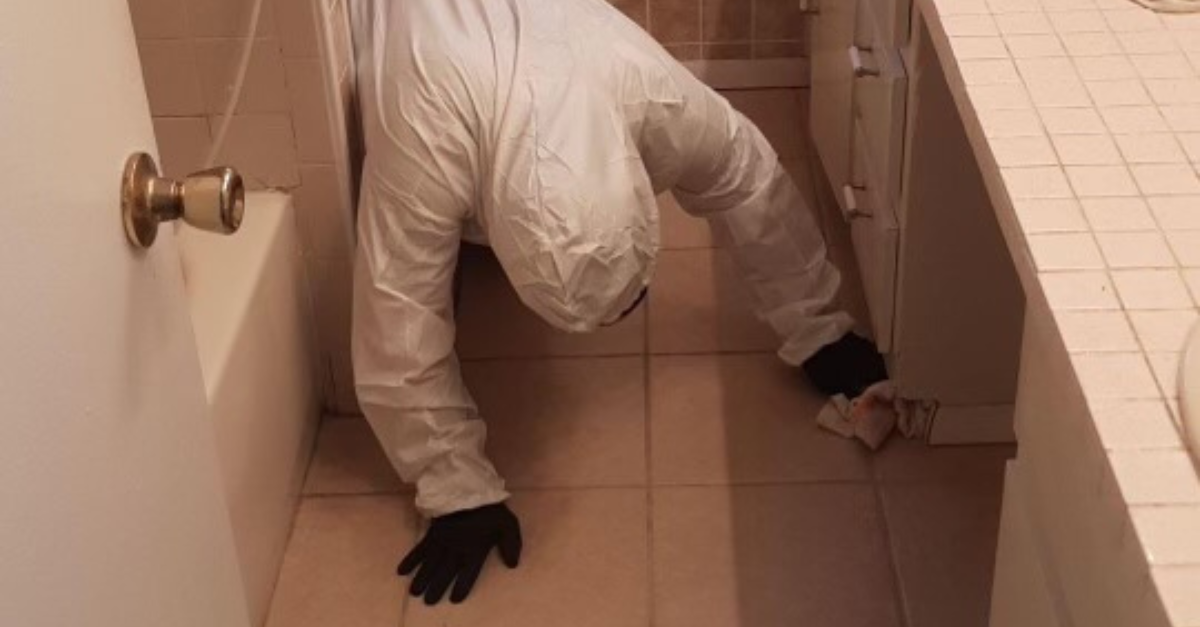
Yes, our team at United Water Restoration Group of Tampa has managed multiple mold remediation treatment projects involving mycotoxins. Although not all mold is toxic, we approach every mold situation with the same level of urgency and professionalism. Our standard remediation process is built to eliminate both visible and microscopic threats—mycotoxins included.
While the general remediation process does not change with mycotoxins present, key tasks like source containment and air filtration become even more critical. Our focus is always on restoring safe air quality and preventing cross-contamination.
- Immediate containment of the affected area using physical barriers and negative air pressure
- HEPA air filtration devices to clean airborne particles and maintain safe air quality
- Dehumidification to stop further mold growth by controlling moisture
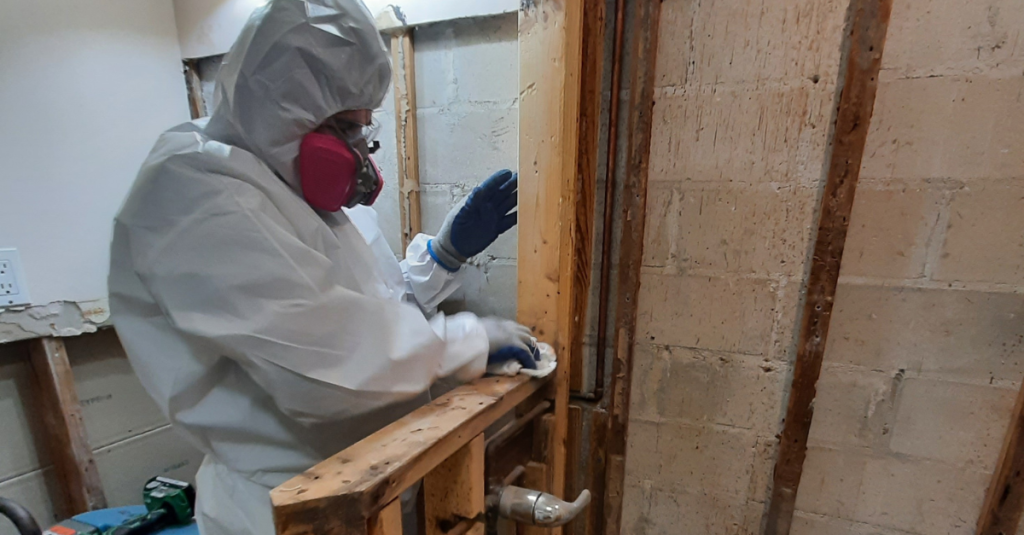
- Full-face respirators, fit-tested for each technician
- Tyvek suits that prevent spores from traveling outside the work zone
- Safe removal and disposal of contaminated materials
- Post-remediation inspection to confirm air quality and safety
Mold Prevention After Water Damage in Tampa

How to Pick the Right Mold Remediation Company in Tampa
How to Pick the Right Mold Remediation Company in TampaHiring the wrong mold remediation company…
When Should You Hire a Mold Remediation Company in Tampa?
When Should You Hire a Mold Remediation Company in Tampa?Living in Tampa means dealing with…

Mold Remediation Cost in Tampa
How Much Does Mold Remediation Cost in Tampa?In Tampa’s warm, humid climate, mold doesn’t just…
What Are Mycotoxins? Mold Health Risks & Remediation in Tampa
Mycotoxins A Silent Threat in Tampa HomesFlorida’s humid climate creates the perfect breeding ground for…
Top 5 Mold Myths vs. Reality
Debunking the Most Common Mold Myths Mold is a common household concern that often elicits…