


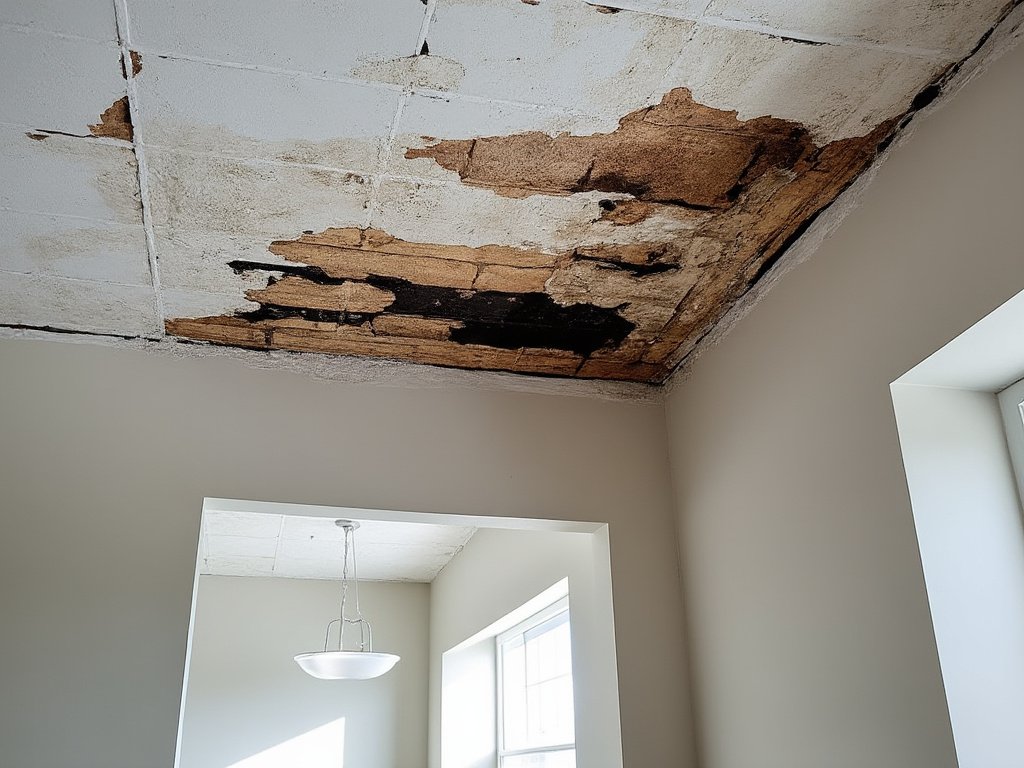
Sometimes, water damage isn’t obvious right away. You might notice little discolored patches or spots where paint is starting to bubble or peel. A sagging ceiling? That’s usually a bigger red flag. It’s easy to miss the early hints until something finally gives.
A commercial water damage restoration company can spot these signs before they turn into a bigger mess. They’ll check for changes in the structure or moisture hiding in corners that you might not even think about. Catching it early can save a lot of hassle and money.
Even small leaks can get expensive fast. Insurance claims for water damage have gone up quite a bit over the last few years. That’s why it pays to notice those subtle hints above your head.
What should you actually look for? Sometimes it’s a tiny discoloration, sometimes it’s a faint smell of dampness, and sometimes it’s just that feeling that something’s off. Paying attention now can stop a headache later.
Discolored Patches Tell the Story
Those weird yellow and brown splotches spreading across your ceiling aren’t just cosmetic issues. They’re basically your ceiling waving a red flag, telling you water’s been sneaking in where it shouldn’t be.
The discoloration happens when moisture seeps through roofing materials, ceiling tiles, or plumbing fixtures above. What starts as a small stain can balloon into a major headache if ignored. Green patches often indicate mold growth, while brown stains typically point to older leaks that have been ongoing.
Professional water damage restoration specialists use moisture meters to detect hidden dampness beyond what’s visible to the naked eye. These tools help pinpoint the exact source, whether it’s a roof leak, burst pipe, or HVAC condensation issue.
Paint Problems Signal Moisture Issues
When paint starts acting up, it’s usually because water is messing with the adhesion. You’ll notice blistering where little bubbles form under the surface, almost like the paint is trying to escape. Cracking follows similar patterns, creating spider web-like fractures across affected areas.
Flaking paint comes off in sheets or chips, leaving behind exposed drywall or plaster. This creates perfect conditions for mold spores to take hold. Bubbling paint appears swollen and soft to the touch, indicating active moisture presence.
The timing matters here. Freshwater damage causes immediate bubbling, while older leaks show up as gradual peeling and cracking patterns. Either way, these visual cues demand immediate attention before structural damage sets in.
Sagging Ceiling Sections
Nothing gets your attention quite like a ceiling that’s starting to droop. This happens when water accumulates in the space above, saturating insulation and ceiling materials until they can’t support their own weight.
Small sagging areas might look like gentle waves or dips in the ceiling surface. Larger sections can create dramatic bulges that pose serious safety risks. The weight of waterlogged materials can exceed the ceiling’s load capacity, potentially leading to collapse.
Building contractors recommend immediate professional evaluation when sagging appears. The underlying structure may need reinforcement, and the water source requires urgent identification and repair.
Water Stains Create Telltale Patterns
Water stains rarely lie about their origins. Circular ring patterns typically indicate slow, consistent leaks from above. Streaking stains suggest water running along structural elements before dripping through the ceiling.
The color tells part of the story, too. Fresh stains appear lighter, often yellow or tan colored. Older damage shows up as darker brown or rust-colored marks. Gray stains sometimes indicate contaminated water sources or metal pipe corrosion.
Size and location provide valuable clues about the leak source. Stains directly below bathrooms usually point to plumbing issues, while those near exterior walls often signal roof problems. Customer reviews on water damage forums consistently mention these pattern recognition techniques as helpful for initial diagnosis.
Mold and Mildew Growth
Fungi love damp ceiling environments, especially in areas with poor ventilation. Black, green, or brown fuzzy patches indicate active mold colonies that can spread rapidly across ceiling surfaces. Mildew appears as powdery white or gray deposits, often in corners where air circulation is limited.
Health concerns make mold detection particularly important. According to EPA guidelines, any mold growth area larger than 10 square feet requires professional remediation. Smaller patches can often be cleaned safely with proper protective equipment and antimicrobial solutions.
Prevention involves controlling moisture levels and improving ventilation. Bathroom exhaust fans, dehumidifiers, and proper attic ventilation help prevent conditions that allow fungal growth to establish.
Musty Odors Reveal Hidden Problems
Sometimes your nose detects water damage before your eyes do. That damp, earthy smell that reminds you of old basements or wet cardboard often signals moisture accumulation in hidden spaces above the ceiling.
These odors intensify in humid conditions or areas with limited airflow. The smell might be strongest during certain times of day or weather conditions, depending on the leak source and ventilation patterns.
Professional water damage assessors use this sensory information alongside moisture detection equipment to locate problem areas. Customer testimonials from restoration companies frequently mention how musty odors led to discovering extensive hidden damage that visual inspection missed.
Taking Action on Water Damage Warning Signs
Property owners who address these warning signs quickly typically face repair costs 60% lower than those who delay action. Insurance adjusters consistently recommend documenting damage with photos and contacting restoration professionals immediately upon discovery.
The key is treating any combination of these signs seriously. One symptom might indicate a minor issue, but multiple indicators usually point to significant water infiltration requiring professional intervention. Trust your instincts and act fast when you notice these ceiling damage patterns.
Contact Us
If you’re facing water, fire, mold, or storm damage in the Tampa area, United Water Restoration Group is here to help with 24/7 emergency services.
Address: 4897 W Waters Ave, Tampa, FL 33634
Phone: (813) 696-0500
Hours: Open 24 hours, 7 days a week
For immediate assistance or to schedule a consultation, please visit our Contact Us page.
Related Topics: