


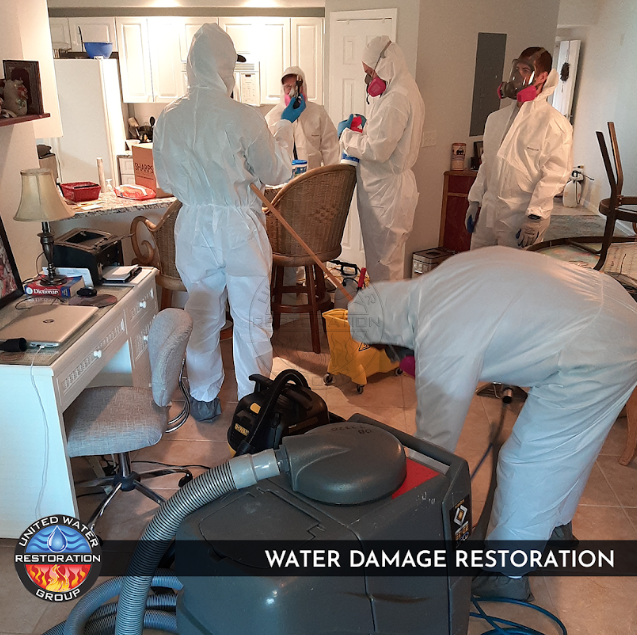
Water damage usually does not start with a dramatic event. It often begins with something small that is easy to brush off, like a faint stain, a damp smell, or a bit of moisture where it should not be. This post looks at the most common ways water damage shows up in homes and buildings, how these situations tend to unfold, and why they often get worse over time. Many owners eventually call water damage restoration services once the damage becomes obvious, but knowing what causes these problems can help you spot trouble sooner and limit the fallout.
Burst Pipes
Burst pipes are one of those problems that leave little room for delay. When a pipe fails, water can pour out fast and spread through multiple rooms before anyone realizes what is happening. Floors can buckle, drywall can soften, and moisture can reach places that are hard to dry out. Even after the water is shut off, damp areas behind walls or under flooring may stay wet longer than expected. Aging pipes, cold weather, and pressure changes are common triggers, which is why regular inspections and insulation can make a real difference.
Roof Leaks
Roof leaks have a way of hiding until damage is already underway. Water may enter through a small opening and travel along beams or insulation before showing up as a stain on the ceiling. By the time peeling paint or sagging drywall appears, moisture may have spread farther than expected. Routine roof checks and quick repairs after storms help prevent small issues from turning into widespread interior damage.
Flooding
Flooding does not have to be deep to cause problems. Even a few inches of water can soak into flooring, cabinets, and lower walls, leaving moisture behind after the surface dries. Heavy rain, drainage issues, and broken pipes are common causes. The longer water sits, the greater the chance of lasting damage and mold growth. Fast water removal and proper drying are key to limiting how much repair work is needed later.
Plumbing Issues
Plumbing problems often move slowly, which makes them easy to miss. A small leak under a sink or inside a wall can drip for weeks before it becomes obvious. Sometimes the first signs are a musty smell, a soft spot in drywall, or a water bill that keeps climbing. Fixing these issues early helps avoid damage that spreads beyond the plumbing itself and into surrounding materials.
Basement Seepage
Basement seepage is usually tied to water collecting around the foundation. Cracks, poor drainage, or clogged gutters can push moisture toward the structure instead of away from it. Over time, damp walls and persistent humidity can become the norm. Sealing small openings, improving drainage, and keeping gutters clear all help reduce moisture buildup in basement areas.
Appliance Malfunctions
Appliances that rely on water can fail in ways that are easy to overlook. A washing machine hose, a dishwasher seal, or a refrigerator water line may leak slowly without drawing attention. By the time water is noticed, flooring or cabinets may already be affected. Keeping an eye on connections and responding quickly to small leaks can prevent these everyday appliances from causing serious water damage.
Related Topics: