United Water Restoration Group of Tampa, FL

mdiaicn1.png
mdiaicn4.png

CERTIFIED TECHNICIANS

100% SATISFACTION GUARANTEED

WE WORK WITH ALL INSURANCES

mdiaicn1.png

CERTIFIED TECHNICIANS

mdiaicn4.png

24/7 EMERGENCY SERVICES

WE WORK WITH ALL INSURANCES

mold-growing

How Long Does It Take for Mold to Grow? Insights and Prevention Tips

Understanding how long it takes for mold to grow helps homeowners protect their properties from serious damage. Mold can start developing within just 24 to 48 hours when conditions are right, making quick action critical. This rapid timeline means that water damage from leaks, floods, or humidity needs immediate attention. Working with a local water damage restoration company can prevent mold from taking hold in your home. This guide covers the mold growth timeline, ideal conditions that support it, warning signs to watch for, and practical prevention strategies you can use today.

Mold Growth Timeline

Mold starts developing within 24 to 48 hours when moisture and warmth are present. The process begins when airborne spores land on damp surfaces and start absorbing water. These spores swell and trigger internal changes that produce mycelium—a network of thread-like structures that absorb nutrients. As this network matures, visible mold colonies form on the surface. Knowing this timeline helps you act quickly when water damage occurs, preventing mold from spreading.

Get Immediate Assistance And Call us at (813)-305-7538

Need Help Fast? Contact Tampa’s Trusted Water Restoration Experts

Ideal Conditions for Mold

Mold grows best in environments with high moisture and temperatures between 77°F and 86°F. Understanding how long it takes for mold to grow means recognizing that humidity levels above 60% provide perfect breeding grounds for spores to germinate. Warm temperatures accelerate mold’s reproductive cycle, allowing it to spread more quickly. Organic materials, such as wood, drywall, and fabric, supply the nutrients mold needs to thrive. Controlling moisture and temperature in your home helps maintain these conditions and prevents infestations from occurring.


Early Signs of Mold

Spotting mold early helps you address problems before they become major issues. Watch for these warning signs:

  • Musty Odor: Mold produces a distinctive smell even before it can be seen growing.
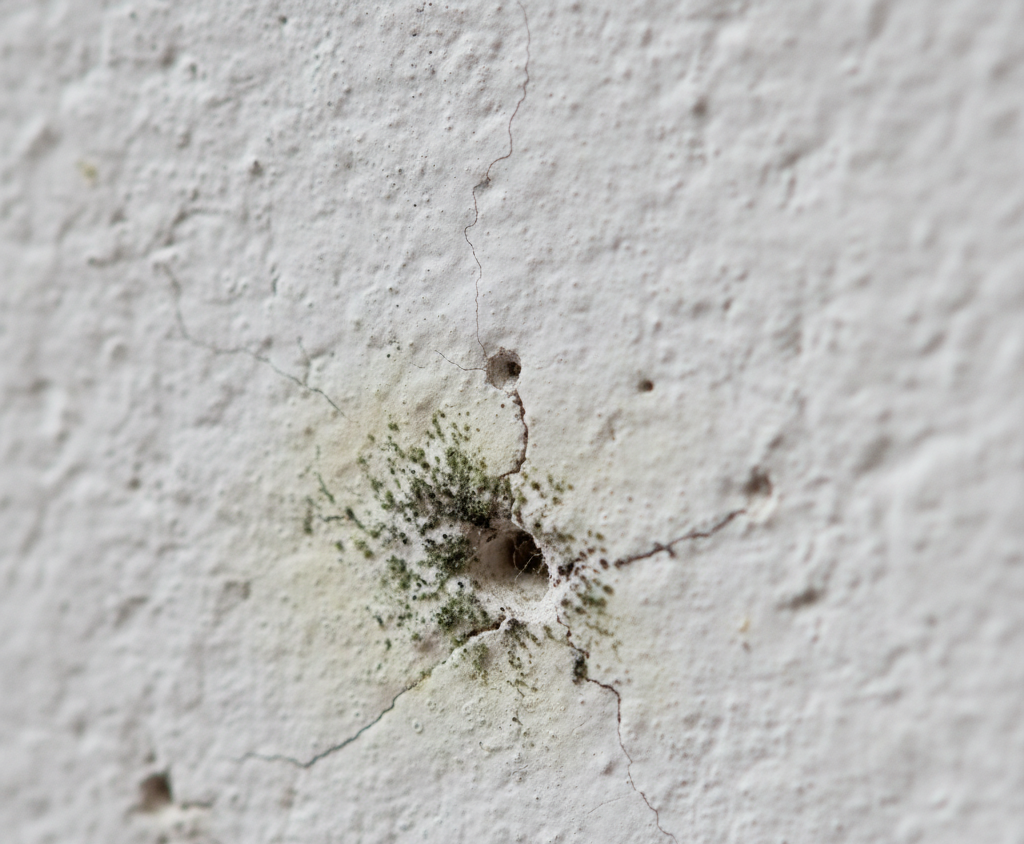
  • Discoloration: Dark or colored patches on walls, ceilings, or other surfaces often indicate the presence of mold.
  • Allergic Reactions: Sneezing, coughing, or watery eyes that worsen indoors may signal mold contamination.

Catching these signs early allows you to take action and prevent extensive damage.


Accelerated Mold Growth Factors

Several factors contribute to mold growing faster than normal. Humidity above 60% provides constant moisture that spores need to germinate. Temperatures in the 77-86°F range create perfect conditions for most indoor molds. Organic materials throughout your home serve as food sources, allowing colonies to expand rapidly. When these factors combine, mold can spread rapidly and pose significant health risks, while also causing damage to your property. Recognizing these triggers helps you develop effective prevention plans.


Preventing Mold Infestations

Stopping mold before it starts requires active management of moisture in your home. Maintain indoor humidity below 60% by ensuring proper ventilation and climate control. Fix water leaks and clean up spills immediately to eliminate moisture sources. Good airflow in bathrooms and kitchens reduces dampness, which is essential for mold to grow.

  • Use dehumidifiers: Place these devices in basements and humid areas to maintain healthy moisture levels.
  • Inspect for leaks: Regularly check pipes, roofs, and windows to catch water problems early.
  • Clean and dry wet areas promptly: Address damp spots within 24 hours to prevent spores from growing and spreading.


Maintaining a Mold-Free Home

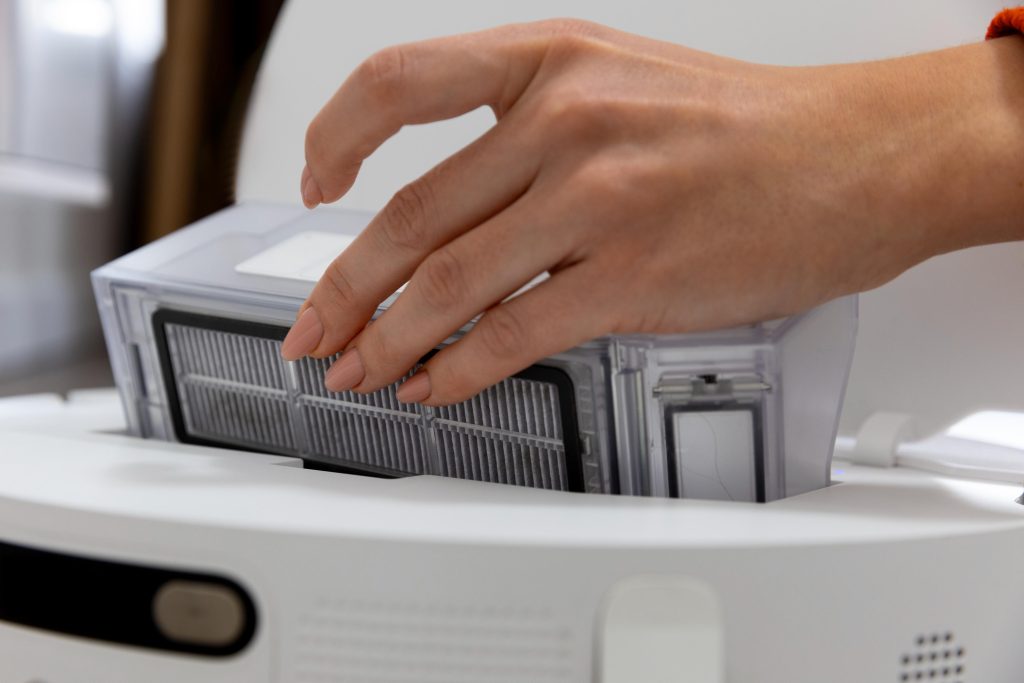
Maintaining a mold-free home requires ongoing attention and effective prevention strategies. Check moisture-prone areas, such as bathrooms, kitchens, and basements, frequently. Ensure these spaces have adequate ventilation and repair any leaks promptly. Run dehumidifiers to maintain a humidity level of 60% or lower. Clean and dry wet areas within 24 to 48 hours of water exposure. Service your HVAC system regularly and replace filters to prevent mold buildup in air ducts. Seal cracks around windows, doors, and foundations to prevent moisture from entering. These proactive steps protect your home and family from mold-related problems.


Related Topics:

Get Immediate Assistance And Call us at (813)-305-7538

Don’t Let Hidden Damage Turn Into a Bigger Disaster

You Have Questions… We Have Answers!

Frequently Asked Questions About Hiring Water Restoration Company

Call United Water Restoration Group for Professional Water Damage Restoration

Disaster doesn’t give you time to think — it forces you to act. That’s why United Water Restoration Group of Tampa is always ready.

Call Now for 24/7 water damage restoration in Tampa.

We’ll be there within 60 minutes. And we’ll help you get your home and your life back to normal.

Leave a Comment

Your email address will not be published. Required fields are marked *