United Water Restoration Group of Tampa, FL

mdiaicn1.png
mdiaicn4.png

CERTIFIED TECHNICIANS

100% SATISFACTION GUARANTEED

WE WORK WITH ALL INSURANCES

mdiaicn1.png

CERTIFIED TECHNICIANS

mdiaicn4.png

24/7 EMERGENCY SERVICES

WE WORK WITH ALL INSURANCES

How to Identify Black Mold in Your Home

Identifying black mold in your home is essential to protect your health and property. Early signs, such as musty odors, dark green or black patches, and water damage, can help prevent further growth and spread. Bathrooms, kitchens, and basements are common areas where mold thrives, especially in humid environments. If you notice these indicators, it’s important to act quickly to prevent the spread of black mold. Contacting Tampa’s leading water damage restoration team ensures that the problem is addressed promptly and safely.


Musty Odor: The First Indicator of Black Mold

A musty odor is often the first sign of black mold in your home. Mold produces microbial volatile organic compounds (MVOCs) during growth, which emit a strong, unpleasant smell. This odor resembles decaying wood or damp earth and is typically a sign of hidden mold. If you detect this scent, especially in areas that are not often visible or accessible, it’s crucial to investigate further. Ignoring this could lead to prolonged exposure to mycotoxins, which can cause various health problems. Promptly addressing the smell can prevent mold from spreading and protect your indoor air quality.

Get Immediate Assistance And Call us at (813)-305-7538

Need Help Fast? Contact Tampa’s Trusted Water Restoration Experts

Visual Signs: How to Spot Black Mold

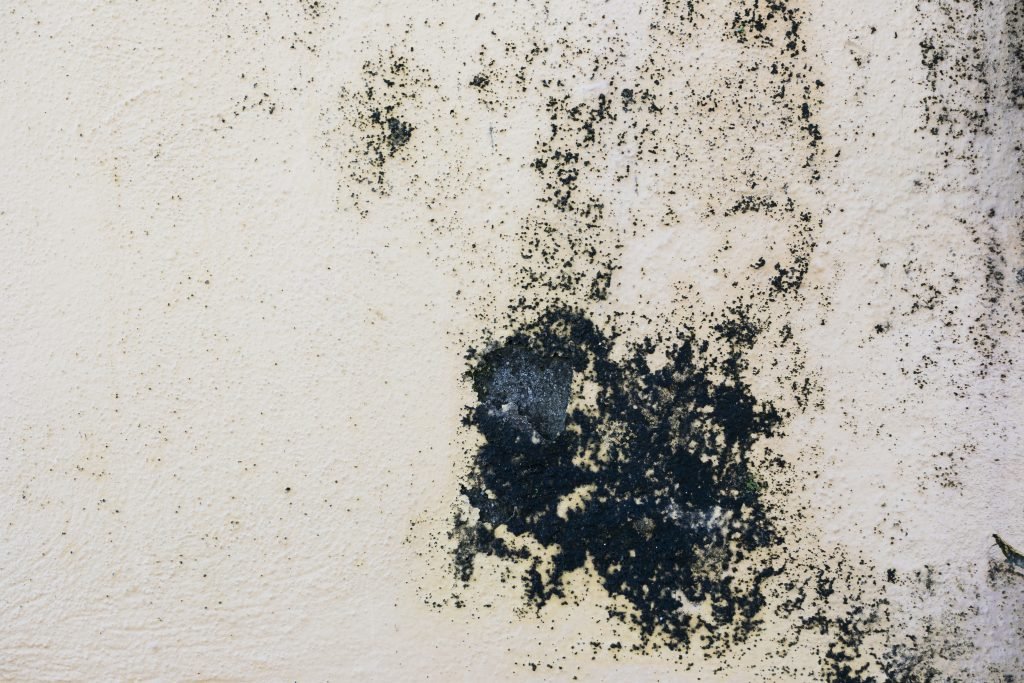
Black mold often makes its presence known visually. Look for dark green or black patches on walls, ceilings, or floors. These patches may appear slimy or fuzzy, indicating active mold growth. Pay special attention to areas with high humidity, such as bathrooms, basements, or areas near windows where moisture tends to accumulate. Black mold can also appear grayish or brownish, so be sure not to overlook any unusual discoloration. Additionally, water stains or peeling paint could be signs of moisture buildup that encourages mold growth. Regular inspections for these visual cues will help you catch mold early, preventing more significant damage.



Water Damage: A Key Contributor to Black Mold Growth


Black mold is often associated with water damage resulting from leaks, flooding, or plumbing issues. Excess moisture creates the perfect environment for mold spores to thrive. Inspect areas prone to moisture, such as basements, crawl spaces, and bathrooms, to identify potential issues. Look for discoloration on walls or ceilings, which might indicate water damage. Also, pay attention to musty odors that may suggest hidden mold growth beneath surfaces. Fixing leaks and water damage immediately can help prevent mold from becoming a persistent issue in your home.


Managing Humidity Levels to Prevent Mold Growth

Controlling indoor humidity is a key aspect of preventing black mold growth. The ideal indoor humidity level should range between 30% to 50%. Use dehumidifiers in areas prone to moisture, such as bathrooms and basements, to regulate humidity levels. Ensure proper ventilation by using exhaust fans in kitchens and bathrooms to remove excess moisture. Monitoring humidity levels with a hygrometer can help maintain the optimal humidity range. Additionally, prompt repairs of leaks or water damage will keep humidity levels in check and reduce the risk of mold growth.


Common Areas Where Black Mold Thrives

Black mold is most commonly found in bathrooms, kitchens, basements, and other areas with poor ventilation. These spaces are prone to high humidity, providing an ideal environment for mold to flourish. Inspect these areas for any visible mold growth, musty odors, or water stains. Pay special attention to places around sinks, showers, windows, and pipes, where moisture can accumulate. Discoloration on grout lines, walls, or ceilings can indicate the presence of mold growth. Addressing these signs quickly can prevent the mold from spreading to other areas of your home.


Testing Options: How to Accurately Detect Black Mold

To confirm the presence of black mold, you can consider several testing options. Air sampling captures mold spores present in the air, while surface sampling collects mold samples from suspected areas. Bulk sampling involves gathering materials such as drywall or insulation for analysis. Swab sampling uses a sterile swab to collect samples directly from the surface. For a comprehensive assessment, ERMI (Environmental Relative Moldiness Index) testing can identify the types of mold species in your home. While DIY kits are available, it’s recommended to hire a professional mold inspector for accurate results and proper guidance in dealing with mold issues.

Contact Us

If you’re facing water, fire, mold, or storm damage in the Tampa area, United Water Restoration Group is here to help with 24/7 emergency services.

📍 Address: 4897 W Waters Ave, Tampa, FL 33634
📞 Phone: (813) 738-6130
🕒 Hours: Open 24 hours, 7 days a week

For immediate assistance or to schedule a consultation, please visit our Contact Us page.


Related Topics:

Get Immediate Assistance And Call us at (813)-305-7538

Don’t Let Hidden Damage Turn Into a Bigger Disaster

You Have Questions… We Have Answers!

Frequently Asked Questions About Hiring Water Restoration Company

Call United Water Restoration Group for Professional Water Damage Restoration

Disaster doesn’t give you time to think — it forces you to act. That’s why United Water Restoration Group of Tampa is always ready.

Call Now for 24/7 water damage restoration in Tampa.

We’ll be there within 60 minutes. And we’ll help you get your home and your life back to normal.

Leave a Comment

Your email address will not be published. Required fields are marked *