


Water damage in Tampa is something a lot of homeowners deal with at some point. Storms roll through fast, pipes fail at the worst times, and sometimes water shows up where it should not be. This guide walks through what causes it, how to spot it early, and what to do next.
If things get out of hand, water damage restoration specialists can step in to handle the cleanup properly. Still, it helps to understand the basics yourself. Knowing what is happening behind the walls makes the whole situation feel less overwhelming.
Understanding Water Damage Causes
In Tampa, heavy rain is a big factor. One strong storm can push water under shingles or through small gaps around windows. It might not look serious at first, but that slow seepage adds up.
Plumbing issues are another common cause. A tiny pipe crack can drip for days before anyone notices, and appliances sometimes fail without warning. Flooding in low-lying areas also plays a role, especially during hurricane season. Water has a way of finding weak spots, you know.
Identifying Signs of Water Damage
The signs are not always dramatic. Sometimes it is just a faint musty smell that does not go away, even after cleaning. Other times, you see faint stains on the ceiling and think maybe it is nothing, but it usually is something.
Paint that bubbles or peels is another clue. Floors may start to feel uneven or look slightly warped. It can be subtle at first, which is why people miss it. Catching it early makes a real difference.
Steps to Take After Water Damage
If water damage happens, pause for a second and assess the situation. Figure out where the water is coming from and stop it if you can do so safely. Turning off the main water supply might feel dramatic, but it is often the right move.
Safety comes next. Shut off electricity in affected areas if there is standing water. Take photos and short videos for insurance before moving things around. Then start drying the space with fans and dehumidifiers while you arrange for professional help. Acting quickly limits long-term damage.
Hiring Professional Restoration Services
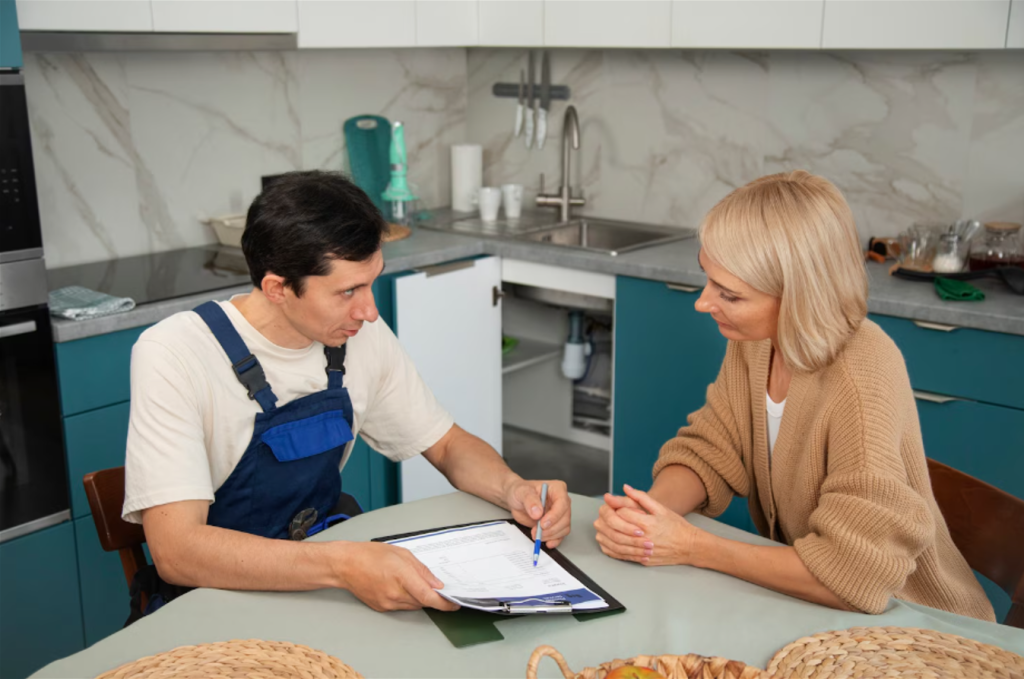
Bringing in a professional team can save time and stress. They have handled situations like this many times before, so they know what to look for. Hidden moisture behind drywall or under flooring is easy to miss on your own.
They also use commercial drying equipment that works far better than household tools. Quick response matters because mold can start forming within a day or two. A thorough job now helps avoid bigger repairs later, which is something most homeowners want to avoid.
Restoration Process Overview
The restoration process usually begins with a detailed inspection. Technicians check walls, ceilings, insulation, and flooring to see how far the water traveled. It is not just about what you can see.
After inspection, they remove standing water and begin structural drying. Surfaces are cleaned and treated to reduce the risk of mold growth. Progress is documented along the way, so you know what has been done. Step by step, the goal is to return your home to its previous condition.
Preventing Future Water Damage
Prevention is less dramatic but just as necessary. Regularly checking for leaks under sinks and around appliances helps catch issues early. It takes a few minutes, but it is worth it.
Keeping gutters clear and making sure water drains away from your foundation also helps. Have your roof inspected after major storms, even if everything looks fine from the ground. Small maintenance habits, done consistently, lower the chance of going through this again.
Related Topics: