


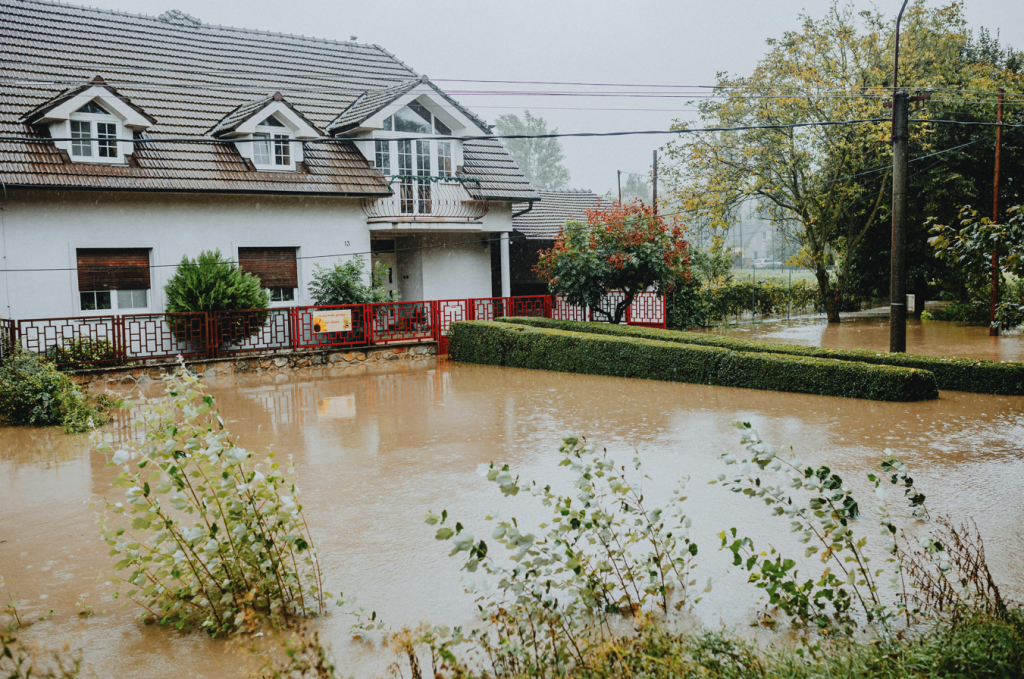
When water damage hits your home, the clock starts ticking right away. The first thing to do is shut off the water source if you can reach it safely. It might be a burst pipe, a leaking appliance, or an overflowing toilet. If you cannot find the exact source, turn off the main water supply to the house.
Electricity is the next concern. Head to the breaker box and shut off power, but only if you can do it without stepping into standing water. Safety comes before everything else. No repair is worth risking an injury.
Once things are stable, start taking photos and short videos for your insurance claim. Try to capture wide shots and close-ups. After that, contact a trusted water damage restoration company in Tampa, FL as soon as possible. Mold can begin forming within 24 to 48 hours, so waiting it out is rarely a good idea.
A trained restoration crew can remove standing water, dry out framing and flooring, and check for hidden moisture behind walls. Shop vacs and box fans help a little, but they do not solve the full problem. Getting professionals involved early can limit structural damage and reduce long-term repair costs. Acting quickly often makes the difference between a manageable cleanup and a much larger repair project.
Assess the Extent of Damage
How extensively has the water damage impacted your home? Developing an effective restoration plan requires a thorough assessment of the full scope. Begin by carefully inspecting all areas affected by water, including walls, floors, ceilings, and personal belongings. Look for signs of water stains, discoloration, warping, or mold growth.
Document the damage with photographs or videos to provide evidence for insurance claims. Prioritize safety by turning off electricity to affected areas and wearing protective gear when necessary. Consider seeking professional help to accurately evaluate structural damage and ensure a thorough assessment. Understanding the extent of the water damage is the opening step towards restoring your home to its pre-damaged condition.
Stop the Source of Water
Focus on identifying and halting the source of water that is causing damage in your home. The priority is to stop any ongoing water leak or intrusion to prevent harm from spreading. Check for burst pipes, leaking appliances, roof damage, or any other potential sources. Shut off the main water supply if needed to stop the flow of water into your home.
Quickly addressing the source of water is critical in minimizing the extent of damage and preventing mold growth. Acting promptly can have a significant impact on the outcome of the situation. Once the water source is under control, you can proceed with the necessary steps to mitigate the damage and restore your home.
Document the Damage
What steps can you take to effectively document the damage caused by the water? Take photos and videos of all the affected areas before beginning any cleanup or restoration. Make sure to capture the extent of the damage from various angles and distances. Create a detailed list of all damaged items, including furniture, electronics, and personal belongings.
Document the water level reached in each area, as well as any visible signs of structural damage. This documentation will be valuable for insurance claims and restoration purposes. Thorough documentation is key to ensuring a smooth and successful recovery process.
Remove Excess Water
To address the aftermath of water damage in your home, promptly remove excess water to prevent harm from spreading and facilitate the restoration process. Standing water can quickly escalate the damage, leading to mold growth and structural issues. Use mops, towels, or wet vacuums to extract as much water as possible.
Prioritize safety by wearing protective gear and ensuring the electricity is turned off in affected areas. If the water damage is extensive, consider contacting professionals equipped to handle large-scale water extraction. By swiftly eliminating excess water, you are taking a critical step towards minimizing the impact of water damage and setting the stage for effective restoration efforts.
Begin Drying Out the Area
Set up fans and dehumidifiers to initiate the process of drying out the affected area after water damage has occurred in your home. Proper ventilation is necessary to prevent mold and mildew growth. Open windows if the weather permits and use fans to circulate air. A dehumidifier can help extract excess moisture from the air, aiding in the drying process.
Focus on areas where water has seeped into walls, carpets, or furniture. Check hidden spaces like crawl spaces and behind walls for any trapped moisture. Be thorough in your approach to ensure all dampness is addressed promptly, reducing the risk of damage spreading.
Contact Water Damage Restoration Professionals
Get in touch with water damage restoration professionals immediately to assess the extent of the damage and develop a detailed plan for restoration. Water damage experts have the knowledge and tools to accurately evaluate the situation, determining the best course of action to mitigate harm to your home.
By contacting these professionals promptly, you can expedite the restoration process and minimize the impact on your property. They will utilize specialized equipment to remove excess water, thoroughly dry affected areas, and prevent mold growth. Their expertise in handling water damage ensures that your home is restored to its pre-damaged condition efficiently. Don’t hesitate to seek help from these professionals, as their swift intervention can make a significant difference in the outcome of the restoration process.
Contact Us
If you’re facing water, fire, mold, or storm damage in the Tampa area, United Water Restoration Group is here to help with 24/7 emergency services.
Address: 4897 W Waters Ave, Tampa, FL 33634
Phone: (813) 696-0500
Hours: Open 24 hours, 7 days a week
For immediate assistance or to schedule a consultation, please visit our Contact Us page.
Related Topics: