


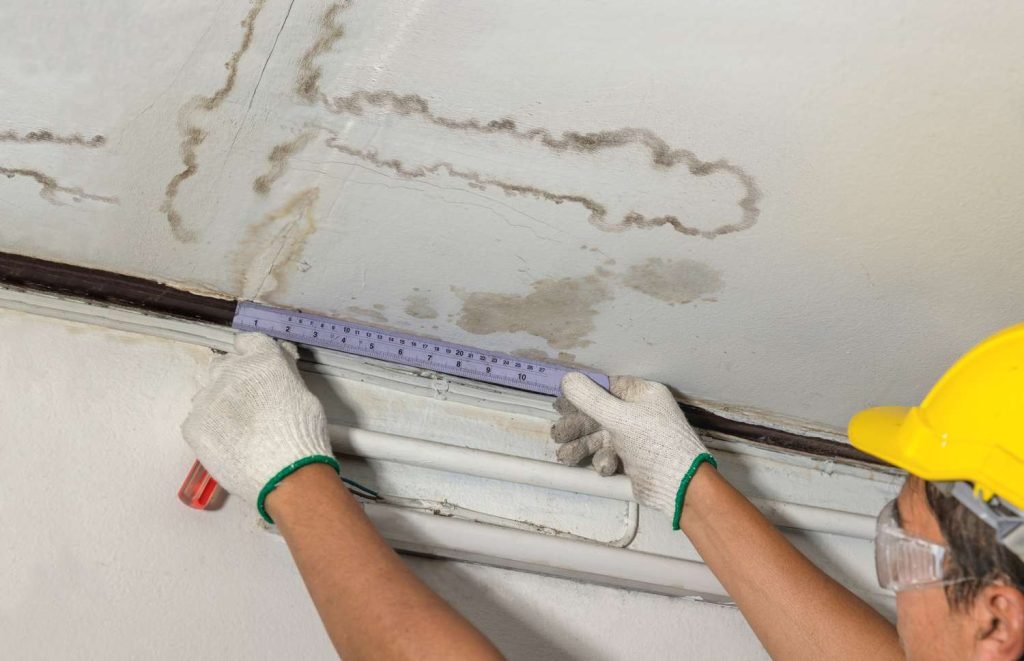
Flooding, burst pipes, and storm damage can wreck a home faster than most people realize. Knowing what goes into the restoration process helps homeowners understand what to expect and how long repairs might take. Reputable water damage restoration services typically cover everything from water removal to complete reconstruction of damaged areas. This guide breaks down each step so you can see the process from start to finish. We’ll cover water extraction, drying, mold cleanup, dehumidification, sanitization, and rebuilding.
Water Extraction
The first step is getting rid of all the standing water. Technicians use powerful pumps and wet/dry vacuums to extract water from flooring, carpets, and walls. They’ll assess how far the water has spread and determine the best way to remove it based on your situation. Quick water removal prevents more structural damage and stops mold from getting a head start. Crews also look for hidden water pockets in places you might not think to check. The faster the water comes out, the less damage your property takes overall.
Structural Drying
Once the water is gone, the drying phase begins. Teams bring in industrial dehumidifiers and high-powered air movers to pull moisture out of walls, floors, and other surfaces. They place equipment in specific spots to create airflow patterns that speed up evaporation and stop moisture from hiding inside structural materials. Technicians track moisture levels with specialized meters to make sure everything is drying properly. In tough spots, they might add heat sources to boost evaporation. This step takes time, but doing it right prevents warping, swelling, and hidden water damage down the road.
Mold Remediation
Water damage and mold go hand in hand. If moisture sticks around too long, mold can start growing within 24 to 48 hours. The remediation process begins by identifying the type of mold present and containing the affected area to prevent spores from spreading. Technicians then remove the mold safely and sanitize the space to stop regrowth. After the cleanup, they run inspections to confirm that the mold is gone and the air quality is back to safe levels. Skipping this step can lead to health problems and ongoing property damage.
Dehumidification
Even after visible water is removed, moisture can linger in the air and within materials. Dehumidification pulls that excess moisture out using high-capacity equipment. This step is a big deal for preventing mold and mildew from coming back. It also helps dry out saturated areas that air movers alone can’t handle. Without proper dehumidification, you might end up with musty smells or even structural decay over time. Technicians monitor humidity levels throughout the process to make sure everything dries completely before moving on.
Sanitization
Water damage doesn’t just leave behind moisture; it can also introduce bacteria, sewage, and other contaminants, depending on the source of the water. Sanitization cleans up what’s left behind and makes the space safe again. Here’s what that typically includes:
- Disinfection: Using EPA-approved products to kill bacteria, viruses, and pathogens.
- Deodorization: Removing lingering smells from water-damage-related sources through specialized treatments.
- Mold Remediation: Treating any mold growth to prevent health risks and further property damage.
These steps protect anyone living in the home and get the affected areas back to a livable condition.
Reconstruction
Once everything is dried, cleaned, and sanitized, the rebuilding begins. This phase covers repairing or replacing damaged walls, floors, ceilings, and any other structural components. Crews assess the damage, develop a rebuild plan, and handle all repairs using quality materials. They follow local building codes throughout the process to make sure everything is up to standard. The goal is to get your property back to the condition it was in before the damage happened or better. This final step wraps up the restoration and gets you back to normal.
Related Topics: